The best diabetes treatment in Hyderabad does not yet have a solution, although decreasing weight, eating nutritious foods, and being active can all help.
- Take the medication exactly as directed.
- Receive diabetes self-management instruction and assistance.
- Make and keep medical appointments.
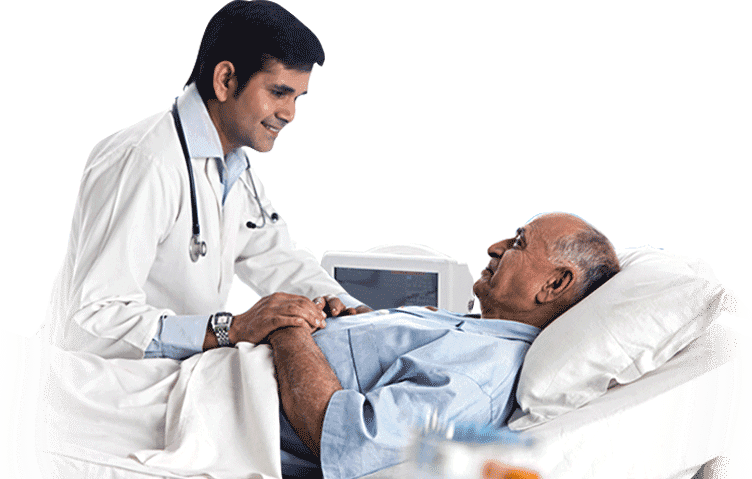
Seeking proper medical care means that you have access to cutting-edge technology and a multidisciplinary approach to care. Multidisciplinary teams, including registered nurses, dietitians, and pharmacists, collaborate to support diabetes patients. They provide self-management education, train CHWs, and provide community health representatives. Benefits include improved education, better glycemic control, increased follow-up, greater patient satisfaction, a lower risk of complications, improved quality of life, reduced hospitalisations, and reduced healthcare costs.
The best diabetes treatment in Hyderabad extends beyond medication, focusing on lifestyle modifications and preventive measures. The Indian Medical Association advises routine screening for type 2 diabetes with diagnostic testing for all persons 45 and older, as well as the following groups:
- Overweight or obese people under the age of 45 who have one or more diabetes risk factors
- Women who have had gestational diabetes
- Individuals who have been diagnosed with prediabetes
- Overweight or obese children with a family history of type 2 diabetes or other risk factors
Discuss your diabetes preventive concerns with your doctor.
The latest advancements in diabetes care ensure effective management in Hyderabad.
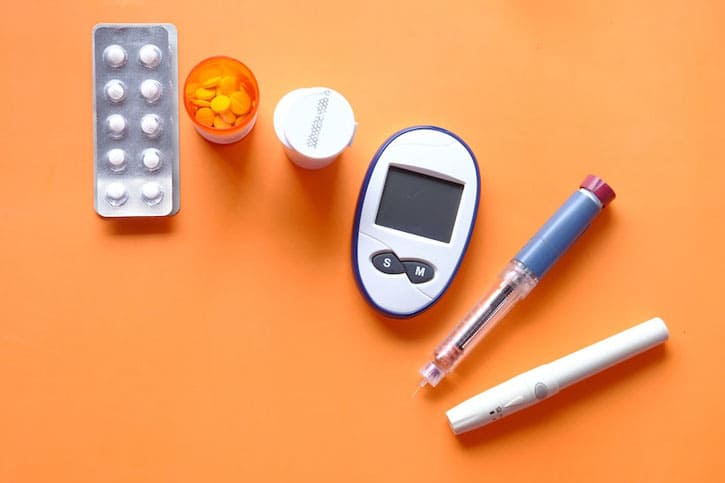
An insulin pump is a medical device that injects insulin directly into the tissue immediately beneath the skin. This computerised gadget, roughly the size of a deck of cards, may be worn around the waist, slipped into a pocket, fastened with an armband, or linked to a belt or bra. Some insulin pumps release insulin constantly, whereas others only administer insulin at meals or substantial snacks. When you're out and about or at work, an insulin pump may be more handy because all you have to do is push a button to get the insulin instead of giving yourself a shot.
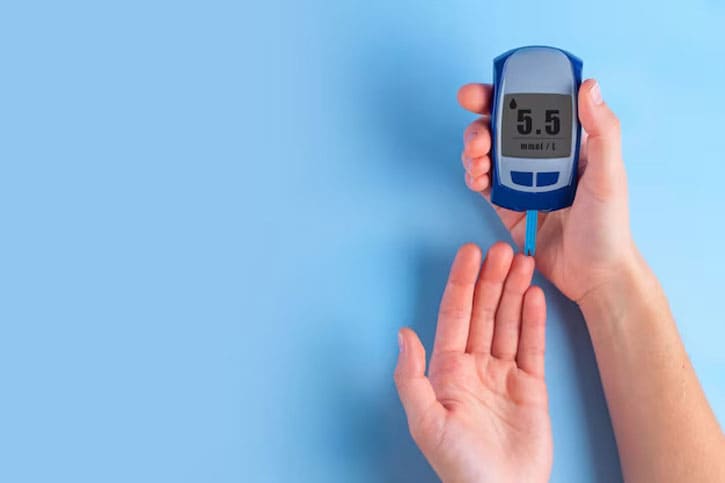
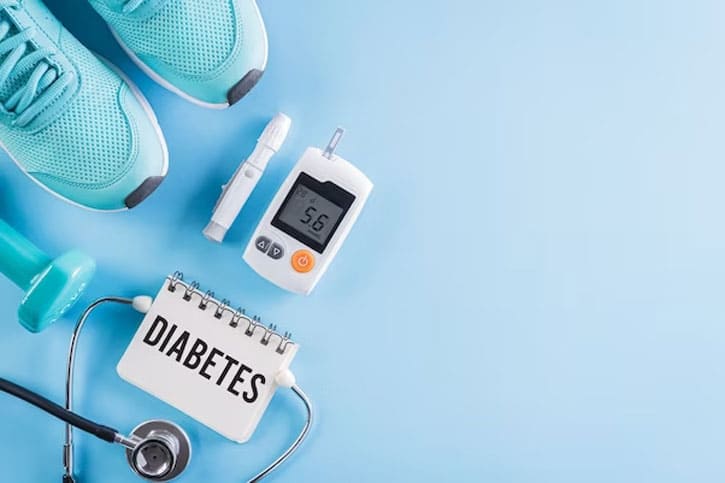
CGMs (Continuous Glucose Monitors) These gadgets use a small sensor inserted beneath the skin to monitor the level of glucose in the fluid between cells every few minutes and wirelessly transfer the data to a device or your smartphone.
The advantage of utilising a CGM is that it may be worn for seven or more days, which means that one poke to install the monitor [within that time frame] replaces monitoring blood glucose three or more times each day with a finger poke. CGMs make checking your blood sugar levels before and after meals easier, and they can help you understand how your food, activity, and lifestyle impact your blood sugar levels.
Family screening and genetic counselling: Genetic testing can provide significant information for determining a family member's risk of diabetes. The identification of high-risk family members can function as a motivator for them to undertake frequent screening and take proactive preventative steps. Hereditary counselling is critical in giving individuals critical information about their hereditary risk, allowing them to make informed decisions.
Care emphasises personalised treatment plans tailored to individual patient needs. By customising healthcare plans based on genetic, lifestyle, and clinical characteristics, personalised medicine can improve glycemic control, increase patient participation, and optimise therapy choices. Given the complicated nature of diabetes, where a standardised strategy may not deliver optimal outcomes for every individual, this approach is essential. Advanced technology such as genetic testing, CGM, and telemedicine enable patients to participate actively and make informed decisions. Future research should focus on long-term outcomes, system integration, stakeholder engagement, patient education, and ethical considerations.
Whether it's through medication, dietary counselling, or advanced therapies, effective diabetes care ensures comprehensive and patient-centric management.
Dr. Rahul Chirag has extensive expertise in diagnosing illnesses as well as prescribing and administering proper therapy and medicine for a variety of disorders or diseases. He has prior expertise handling in-and-out patients, supervising the ICU, and monitoring patients. He is also skilled at patient counselling and educating subordinates in protocol-based case management.
Diabetes, hypertension, lifestyle problems, infectious diseases, chronic medical issues, thyroid disorders, persistent fever, respiratory infections, diarrhoea, and other conditions are among his specialties. If you are looking for comprehensive diabetes care in Gachibowli, Dr. Rahul Chirag provides reliable treatment.
FAQs
Diabetes treatment typically includes lifestyle changes, oral medications, and insulin therapy when needed. The right approach depends on the type of diabetes and individual health condition.
A suitable treatment plan is based on blood sugar levels, medical history, and lifestyle. A doctor evaluates these factors to create a personalized management strategy.
Yes, many people with type 2 diabetes can manage their condition with diet, exercise, and medications. Insulin is recommended only when required for better control.
Lifestyle plays a key role in managing diabetes. Healthy eating, regular physical activity, and weight control help maintain stable blood sugar levels.
Monitoring frequency depends on the treatment plan and severity of the condition. Regular checks help track progress and guide adjustments.
You should consult a doctor if you experience symptoms like frequent urination, fatigue, or uncontrolled blood sugar levels. Early care helps prevent complications.
Diabetes treatment services are available across Hyderabad, including areas like Gachibowli. Choosing a nearby doctor ensures regular follow-ups and better long-term care.