Perspiration and urine are two ways your body loses water on a daily basis. If it is not supplied, you get dehydrated. Adults at risk include athletes, people who work in hot environments, the elderly, and those with chronic illnesses.
When your body loses more fluid than you ingest, you become dehydrated. Some of the most prevalent causes of dehydration are as follows:
- sweating excessively
- vomiting and diarrhoea
Women should drink 11.5 cups per day, while men should drink 15.5 cups per day, according to the National Institute of Nutrition. Individuals on the move, athletes, and those exposed to hot temperatures should drink more water to avoid dehydration.
When the body loses too much water, its organs, cells, and tissues cease to function properly, which can lead to serious consequences. If dehydration is not treated quickly, it can lead to shock.
Dehydration can range from moderate to severe. Mild dehydration is easily treatable at home. Severe dehydration should be treated in a hospital or emergency room.
Risk factors for dehydration
Dehydration is not limited to athletes who are exposed to direct sunlight. Bodybuilders and swimmers, for example, are among the athletes who frequently get the illness. It is conceivable to sweat in water, as strange as it may appear. Swimmers sweat a lot while they swim.
Some people are more prone to dehydration than others, including:
- Persons who operate outside in hot conditions (for example, welders, landscapers, construction workers, and mechanics)
- elderly people
- persons suffering from severe illnesses
- Athletes (particularly marathon runners, bikers, and football players)
- babies and young children
- individuals who live at high elevations
The symptoms of dehydration differ depending on whether the condition is moderate or severe. Before complete depletion occurs, symptoms of dehydration may arise.
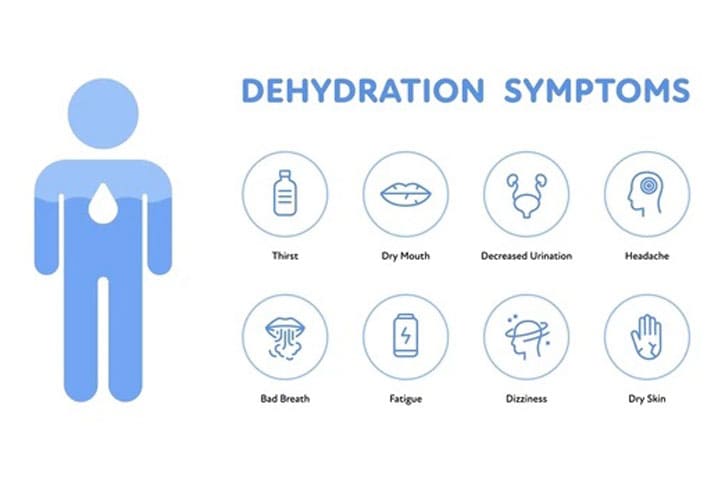
Mild to moderate dehydration symptoms include:
- fatigue
- arid mouth
- reduced urination as thirst grew
- less tears were produced
- constipation due to dry skin
- dizziness
- lightheadedness
- headache
In addition to moderate dehydration symptoms, severe dehydration is likely to produce the following:
- extreme thirst, insufficient sweat production
- blood pressure that is too low
- high heart rate
- fast respiration
- shrivelled skin, sunken eyes, and black urine
Severe dehydration is considered a medical emergency. If you exhibit any of these signs and symptoms, get emergency medical attention.
A medical emergency has occurred.
Even if they have modest dehydration symptoms, children and the elderly should receive early care.
Seek immediate assistance from Dr. Rahul Chirag if someone of any age develops the following symptoms:
- diarrhoea that is severe
- diarrhoea for three or more days
- unable to keep drinks down
- disoriented
According to Dr. Rahul Chirag, a prominent specialist in the field, severe dehydration presents considerable hazards to general health and well-being. When the body loses more fluids than it takes in, vital functions are jeopardised, potentially resulting in death. Dehydration can occur as a result of a variety of factors, such as extended exposure to extreme temperatures, intensive physical activity without appropriate fluid intake, or diseases including vomiting or diarrhoea.
Dr. Chirag emphasises that extreme dehydration alters the body's electrolyte balance, which is essential for optimal muscle and nerve function. Without enough fluids, the body struggles to regulate temperature, which can lead to heat-related disorders including heat exhaustion or even heat stroke. Furthermore, dehydration can lower blood pressure, impairing blood flow to essential organs and causing dizziness.
Prompt identification and treatment are critical. Dr. Chirag recommends a proactive approach, emphasising the significance of quickly replacing fluids and electrolytes to reduce the dangers of severe dehydration. Oral rehydration treatments, intravenous fluids, and, in extreme situations, rapid medical intervention may be required to avoid potentially fatal effects. Education and knowledge about the hazards of severe dehydration remain critical in preventing its detrimental effects, particularly in vulnerable groups such as the elderly and small children.
FAQs
Severe dehydration occurs when the body loses more fluids than it takes in. It can affect vital functions and may lead to serious health complications if not treated promptly.
Common signs include extreme thirst, dry mouth, dizziness, reduced urination, fatigue, and confusion. Severe cases may require immediate medical attention.
You should consult a doctor if symptoms persist, worsen, or include fainting, rapid heartbeat, or inability to retain fluids. Early care helps prevent complications.
Causes include excessive sweating, vomiting, diarrhea, high fever, or inadequate fluid intake. Hot weather and infections can increase the risk.
Drinking enough fluids, especially during hot weather or illness, is key. Maintaining a balanced diet and monitoring fluid intake helps prevent dehydration.
Yes, children and older adults are more vulnerable to dehydration and may develop complications faster. Close monitoring is important for these groups.
You can consult a general physician in Gachibowli for evaluation and treatment of dehydration. Timely medical care helps restore fluid balance and prevent complications.