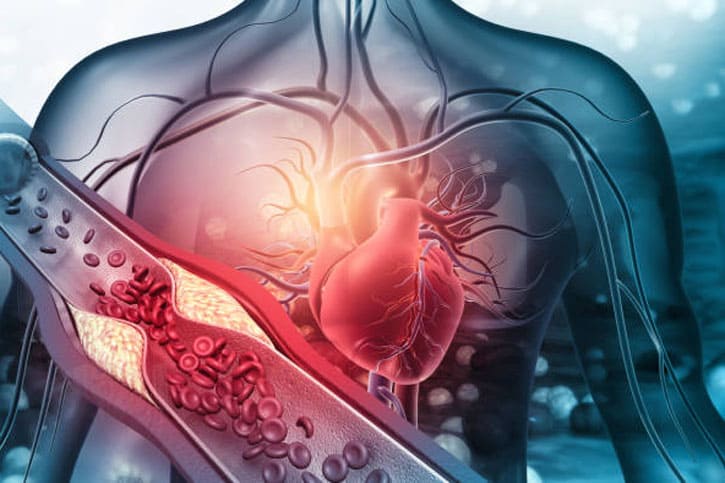
High-density lipoprotein (HDL) and low-density lipoprotein (LDL) are the two primary kinds of cholesterol. (Lipoproteins are formed of fat and protein and act as carriers for cholesterol through the blood.) Cardiologists are frequently questioned about the difference between low-density lipoprotein (LDL) and high-density lipoprotein (HDL).
What is the function of HDL cholesterol?
The liver eliminates HDL from the body. As a result, HDL may help to prevent plaque accumulation, preserve your arteries, and protect you from atherosclerotic cardiovascular disease. It is known as "good" cholesterol, and greater amounts are preferable. Aim for levels greater than 55 mg/dL for women and 45 mg/dL for males. The greater your HDL cholesterol levels, the lower your risk of cardiovascular disease and stroke.
How to Boost HDL Cholesterol
Although family genetics influence HDL levels, there are three major approaches to enhancing HDL levels:
If you smoke, data clearly demonstrates that stopping can improve HDL levels.
Adopting a heart-healthy diet high in fibre and low in fat can also help boost your HDL.
Aerobic exercise can also improve HDL levels. Do you have difficulty exercising? Find a companion; studies indicate that it helps encourage you. That activity can be as easy as increasing the quantity of walking you do each week (for exercise, not just for fun).
Finally, while statin drugs are generally intended to lower high LDL cholesterol, some may have the ability to mildly improve HDL levels. You should explore any medical treatment options with your doctor. Importantly, having a high HDL level does not protect you against the negative effects of having a high LDL level.
What is the function of LDL cholesterol?
LDL cholesterol is known as "bad" cholesterol. It transports cholesterol to your arteries, where it can accumulate in the artery walls and contribute to the development of plaque, a condition known as atherosclerosis. This can result in reduced blood flow to the heart muscle (coronary artery disease), leg muscles (peripheral artery disease), or the sudden closure of an artery in the heart or brain as a result of a heart attack or stroke. Over a third of the population in India has elevated LDL cholesterol. Blood testing is used to make a diagnosis, therefore if you don't check, you won't know.
The lower the LDL value, the better. If you do not have atherosclerotic disease or diabetes, a recommended target to aim for is less than 130 mg/dL. If you have any of these illnesses or high total cholesterol, it should be less than 100 mg/dL, preferably 70mg/dL. Setting your personal goal cholesterol levels with your doctor is critical. Obesity, a big waist circumference, sedentary living, or a diet high in red meat, full-fat dairy, saturated fat, trans fats, and processed foods can all contribute to elevated LDL cholesterol.
How to Reduce LDL Cholesterol?
The major approaches to prevent or decrease high LDL are lifestyle and dietary modifications. A low-fat diet, frequent aerobic activity, keeping a healthy weight, and a reduced waist circumference are all good places to start. It is advisable to work with your doctor to develop a schedule for achieving your objectives. If such lifestyle modifications are insufficient, your doctor may recommend a cholesterol-lowering drug, such as a statin. If you are thinking about using over-the-counter herbal or ayurvedic cholesterol treatments, talk to your doctor first.
Very high LDL levels are seldom hereditary and are handed down via families. This is known as familial hypercholesterolemia, and it is caused by a genetic mutation that reduces the liver's capacity to remove excess cholesterol. In several generations, this trait can result in extremely high LDL levels, as well as a heart attack or stroke at a young age. These people may require specialised medical care for the prevention and treatment of atherosclerotic cardiovascular disease.
Remember that the first step is to get information from Dr. Rahul Chirag. Get your cholesterol levels checked if you don't know what they are. This will provide you and Dr. Rahul Chirag with a starting point for lifestyle adjustments and, if necessary, medication. In the meanwhile, start living a heart-healthy lifestyle with friends and family of all ages. There is no better time than the present to start preventing heart disease.
FAQs
Good cholesterol (HDL) helps remove excess cholesterol from the blood, while bad cholesterol (LDL) can build up in arteries and increase heart disease risk.
High LDL levels can lead to plaque buildup in arteries, which may restrict blood flow and increase the risk of heart-related problems over time.
Regular exercise, healthy fats, and a balanced diet can help improve HDL levels. Lifestyle changes play an important role in maintaining healthy cholesterol.
It’s best to limit processed foods, trans fats, fried items, and excessive sugar. These can contribute to higher LDL levels.
Adults should check cholesterol levels periodically, especially if there are risk factors like family history or lifestyle concerns. Regular screening supports preventive care.
In many cases, lifestyle changes like diet, exercise, and weight management can help. Medication may be required depending on the risk level.
You can consult a general physician in Gachibowli for cholesterol evaluation and preventive care. Regular follow-ups help maintain heart health.