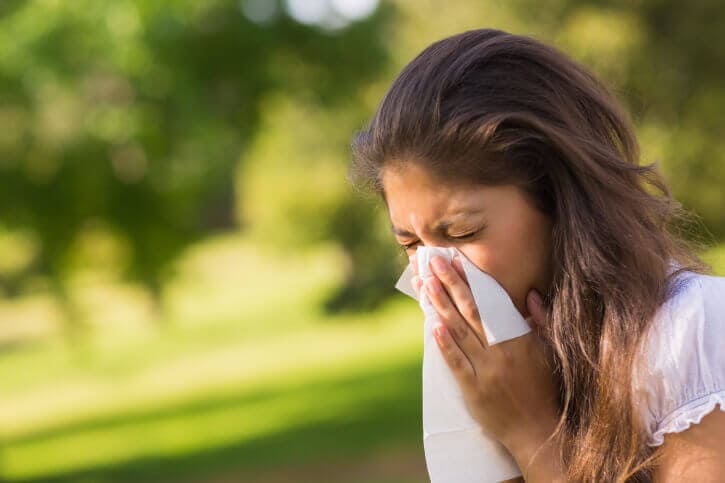

An asthma trigger is something, an action, or a circumstance that aggravates asthma. When you come into contact with a trigger, it can induce a sudden exacerbation of symptoms, which is commonly referred to as an asthma attack, episode, or flare-up.
Medical conditions
Respiratory illnesses, allergies, irritants, exercise, and emotions are all common asthma triggers. Knowing what causes your asthma symptoms is a crucial step towards asthma control. Allergy testing may assist you in determining your triggers. Your healthcare practitioner can assist you in recognising what triggers your asthma and in finding easy methods to decrease and eliminate asthma triggers.
The most prevalent causes of asthma symptoms that lead to asthma flare-ups are respiratory infections such as a cold, flu, or sinus infection. Hand washing and avoiding sick individuals will help decrease your exposure to colds and flu. The best approach to avoiding influenza, however, is to obtain a flu vaccine every year. Acid reflux and other medical disorders might aggravate asthma symptoms.
Examples of TRIGGERS
- Infections of the respiratory tract (colds, flu, sinus infections)
- Hormones during pregnancy
- Acid indigestion
Food and medicines
Food allergies and medications can also provoke asthma attacks. Discuss with your healthcare practitioner any over-the-counter or prescription medications you use, such as aspirin, fever reducers, or anti-inflammatory medications, as well as any alternative treatments or herbal remedies that may affect your asthma.
Examples of TRIGGERS
- Food allergies that are common (peanuts and shellfish)
- Aspirin
- Nonsteroidal anti-inflammatory medications
Smoke
Smoke from cigarettes, wood-burning fireplaces, and burning leaves can all make it difficult to breathe. If you smoke, you should establish a quit plan. If you don't smoke but live with someone who does, talk about how you may prevent or reduce your exposure to tobacco smoke. The Indian Association of Respiratory Care provides several resources to assist smokers in quitting. To talk with a smoking cessation counsellor, call the National Tobacco Quit Line Services at 1800-112-356.
Examples of TRIGGERS
- Tobacco, cigar, or pipe smoke
- Smoke from a fireplace, campfire, or leaf-burning
Weather, Pollen, and Air Pollution
Seasonal changes might trigger an asthma attack owing to increased pollen in the air. Limit your time outside during high pollen seasons, such as spring and autumn. Extreme temperatures (both hot and cold) can also aggravate asthma symptoms. Check the pollen count and air quality index before leaving your house to prepare for the weather.
Examples of TRIGGERS
- Extremely cold, windy, or stormy weather
- Temperature swings that are sudden or dramatic
- High relative humidity
- Grass, weeds, and trees
- Smog, air pollution, vehicle exhaust, and fumes
Removing asthma triggers in the home
We enhance air quality and minimise asthma symptoms in children and adults by eliminating asthma triggers in the home. Removing asthma triggers has been shown to reduce hospitalisations, emergency department visits, and the use of rescue medications.
Once you've identified the triggers that are causing your symptoms, you may take steps to restrict your exposure to them. Here are three approaches to dealing with your triggers:
Stay away from them. Keep the items that trigger your asthma symptoms out of your environment.
Limit your exposure. When confronted with a trigger, get as far away from it as possible.
Take some action. If you can't avoid a trigger, ask Dr. Rahul Chirag whether you may use pain relievers to prevent a flare-up.
FAQs
Common triggers include dust, pollen, smoke, pollution, strong odors, cold air, and respiratory infections. Identifying triggers helps in better asthma control.
You can identify triggers by observing when symptoms worsen and noting environmental or lifestyle factors. A doctor may also guide you through assessment and testing if needed.
Not always, but exposure can be reduced with precautions like maintaining clean indoor air, using masks, and avoiding known allergens whenever possible.
Regular exercise, avoiding smoking, reducing stress, and following prescribed treatment plans help manage asthma and reduce flare-ups.
You should consult a doctor if symptoms are frequent, worsening, or affecting daily activities. Early evaluation helps prevent severe attacks.
Yes, regular check-ups, vaccinations, and monitoring help reduce the risk of asthma flare-ups and related complications.
You can consult a general physician in Gachibowli for asthma evaluation and management. Ongoing care helps control triggers and improve quality of life.