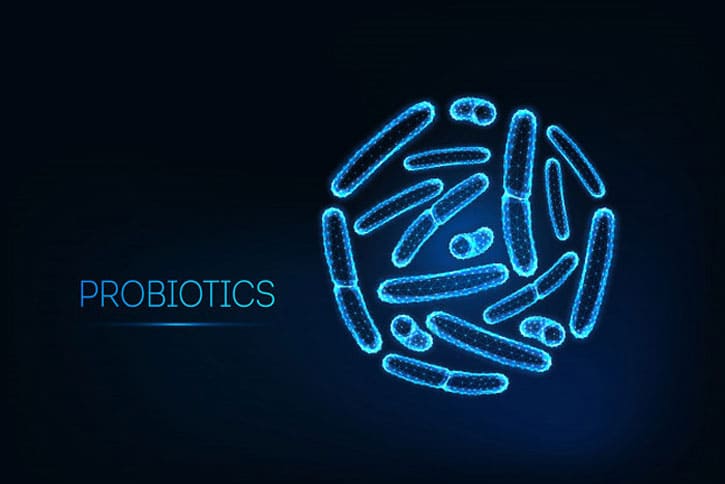
Probiotics can shorten the duration of diarrhoea by around one day. Probiotic products, which typically include lactic acid bacteria, are generally well tolerated.
Diarrhoea is frequently caused by an infection of the intestine. As long as the diarrhoea isn't severe, drinking enough fluids to avoid dehydration and waiting for the illness to run its course is typically adequate. However, in tiny children and the elderly, fluid loss can quickly become serious, necessitating particular treatment.
People with mild instances are occasionally recommended to take probiotic foods in addition to drinking plenty of water. Probiotic goods contain microorganisms such as bacteria or yeast.
These are assumed to enter the gut, where they inhibit the bacteria that cause diarrhoea and assist the body in fighting them. Lactic acid bacteria (lactobacilli) are the most well-known probiotics. Natural yoghurt and other dairy products, as well as some dietary supplements, contain them.
Probiotics are naturally present in your gut and may be found in supplements and certain meals. They perform various critical roles in your body, including immunological health and protection against infection and illness.
The bacteria in your gut, known collectively as the gut microbiota, may be altered both negatively and favourably by a variety of variables such as nutrition, stress, and drug usage.
When the makeup of the gut bacteria changes and the usual population of probiotics is disrupted, it can result in negative health impacts such as an increased risk of illnesses such as irritable bowel syndrome (IBS) and digestive symptoms such as diarrhoea.
Diarrhoea is defined by the World Health Organisation as "three or more loose or watery stools in a 24-hour period."
Acute diarrhoea lasts less than 14 days, but chronic diarrhoea lasts 14 days or more.
Probiotics may help prevent and treat certain forms of diarrhoea by repopulating and maintaining good gut flora and correcting an imbalance. Probiotics combat pathogenic bacteria by competing for resources, strengthening the immune system, and altering the gut environment to make it less favourable to pathogenic activity. Probiotic pills, in fact, have been demonstrated in studies to prevent and cure some kinds of diarrhoea in both children and adults. Probiotics may help prevent and cure diarrhoea by repopulating good gut bacteria and correcting a microbiota imbalance in the gut.
Diarrhoea can be caused by a variety of factors, including bacterial or viral illnesses, certain drugs, and exposure to various germs when travelling.
Many kinds of diarrhoea, according to research, react favourably to probiotic supplementation.
Diarrhoea caused by an infectious agent, such as bacteria or parasites, is known as infectious diarrhoea. Infectious diarrhoea is caused by about 20 different bacteria, viruses, and parasites, including rotavirus, E. coli, and Salmonella.
Infectious diarrhoea is more frequent in impoverished nations and, if not treated, can be fatal. Preventing dehydration, lowering the time a person is infectious, and limiting the length of diarrhoea are all part of treatment.
Probiotics safely decreased the length of diarrhoea and stool frequency in adults and children with infectious diarrhoea, according to an analysis of 63 trials involving 8,014 people.
On average, probiotic-treated groups had diarrhoea for about 25 hours less than control groups.
Antibiotic-induced diarrhoea
Antibiotics are drugs that are used to treat a variety of bacterial-caused ailments. Diarrhoea is a typical adverse effect of antibiotic therapy because these drugs alter the natural gut microbiome.
By repopulating beneficial bacteria in the stomach, probiotics may help reduce diarrhoea caused by antibiotic usage.
A meta-analysis of 17 trials, including 3,631 participants, found that antibiotic-associated diarrhoea was considerably more common in those who did not take probiotics.
In fact, over 18% of participants in the control groups experienced antibiotic-associated diarrhoea, whereas only 8% of people in the probiotic-treated groups were afflicted.
Probiotics, particularly Lactobacillus rhamnosus GG and Saccharomyces boulardii species, may lower the incidence of antibiotic-associated diarrhoea by up to 51%, according to the review.
Taking probiotics may help prevent and treat diarrhoea associated with infection, travel, and antibiotic use.
Dr. Rahul Chirag, a renowned gastroenterologist, explains the critical function of probiotics in efficient diarrhoea management. Probiotics are helpful bacteria that restore the gut's equilibrium, minimising the disruptive effects of diarrhoea, according to considerable studies. These live bacteria, which are often available in various meals and supplements, function by enhancing gut flora, battling dangerous infections, and boosting the body's natural defences. Dr. Chirag emphasises probiotics' capacity to abbreviate diarrhoea bouts, lessen their intensity, and treat accompanying symptoms. Their approach includes improving the gut environment, increasing immunological responses, and controlling bowel function. This complete treatment not only tackles acute diarrhoea but also helps to prevent its recurrence, demonstrating probiotics as an essential component in the comprehensive therapy of diarrhoea.
FAQs
Probiotics are beneficial bacteria that support gut health. They help restore the natural balance of the intestine, which may reduce the duration and severity of diarrhoea.
Probiotics may be considered during or after diarrhoea, especially if it is related to infections or antibiotic use. A doctor can guide appropriate usage.
No, probiotics support recovery but do not replace medical treatment. Severe or persistent diarrhoea requires proper evaluation and care.
Probiotics are generally safe for most people, but individuals with weakened immunity or underlying conditions should consult a doctor before use.
The effect can vary, but some people may notice improvement within a few days. Consistent use as advised can support better outcomes.
Staying hydrated, eating light meals, maintaining hygiene, and avoiding trigger foods are important steps. These support faster recovery along with treatment.
You can consult a general physician in Gachibowli for evaluation and management of diarrhoea and other digestive problems. Timely care helps prevent complications.